Residual current devices (RCDs) can detect earth leakage currents that standard breakers may miss. They can help protect people from electric shock by quickly disconnecting power when current leaks to ground through an unintended path. Modern electrical codes increasingly require RCDs because:
• More sensitive electronic equipment creates nuisance trip risks that RCDs help manage
• Aging infrastructure can develop insulation failures that create ground fault risks1
• Wet locations in facilities need enhanced personal protection2
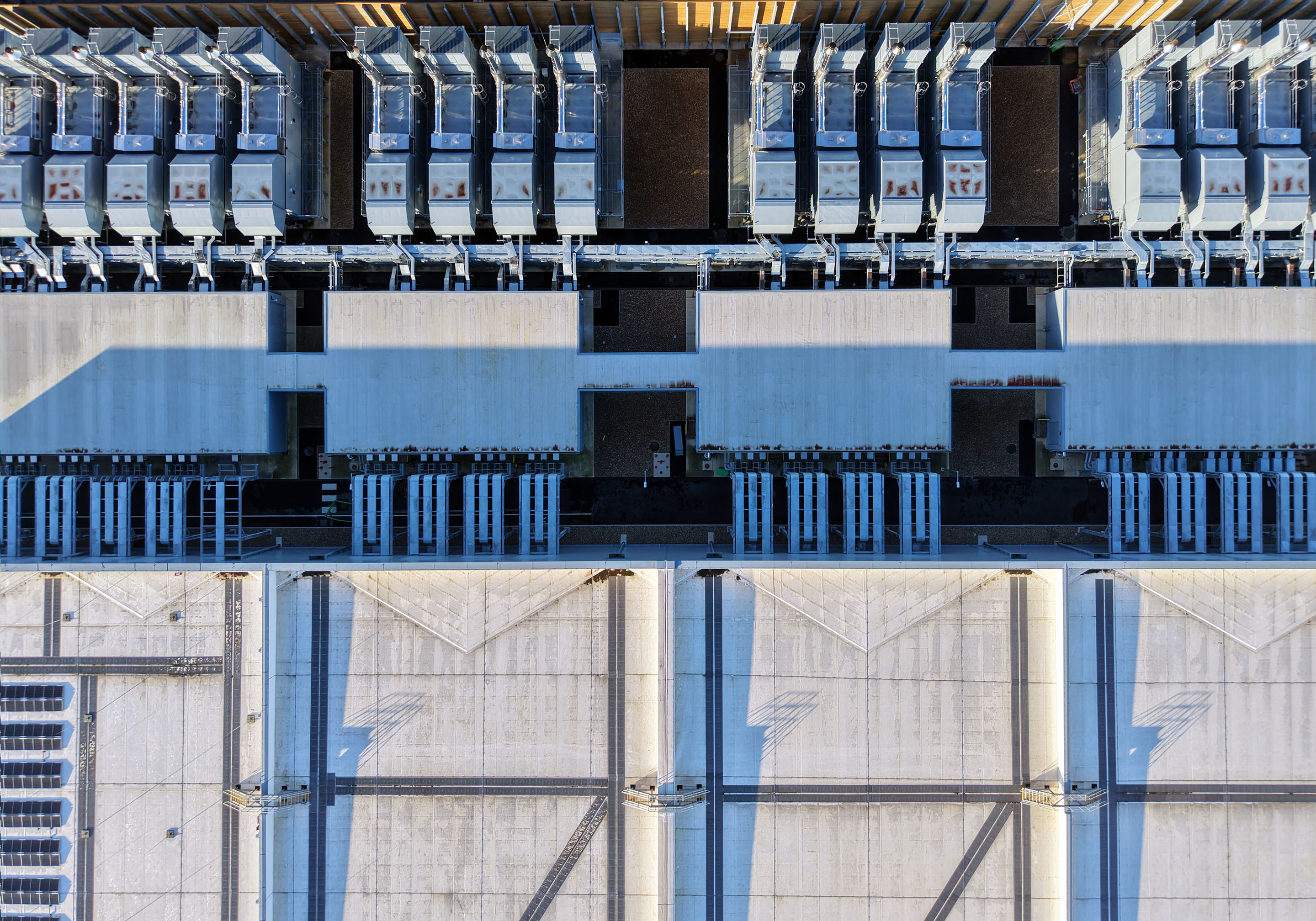
• Medical, data center and other critical applications demand additional safety layers3
RCDs can complement MCBs by addressing a different protection need. While MCBs handle overcurrent and short circuits, RCDs focus on earth fault protection. Many facilities use both device types in coordinated protection schemes.
1. National Renewable Energy Laboratory (NREL), "Electricity Supply Infrastructure Improvements," U.S. Department of Energy, 2011 https://docs.nrel.gov/docs/fy11osti/49793.pdf
2. Occupational Safety and Health Administration (OSHA), "Wiring Design and Protection," 29 CFR 1910.304(b)(3) https://www.osha.gov/laws-regs/regulations/standardnumber/1910/1910.304
3. Occupational Safety and Health Administration (OSHA), "Wiring Design and Protection," 29 CFR 1910.304(g)(1)(v)(D) https://www.osha.gov/laws-regs/regulations/standardnumber/1910/1910.304