
Detergents
Reduce energy and capital costs with a next generation LAB complex
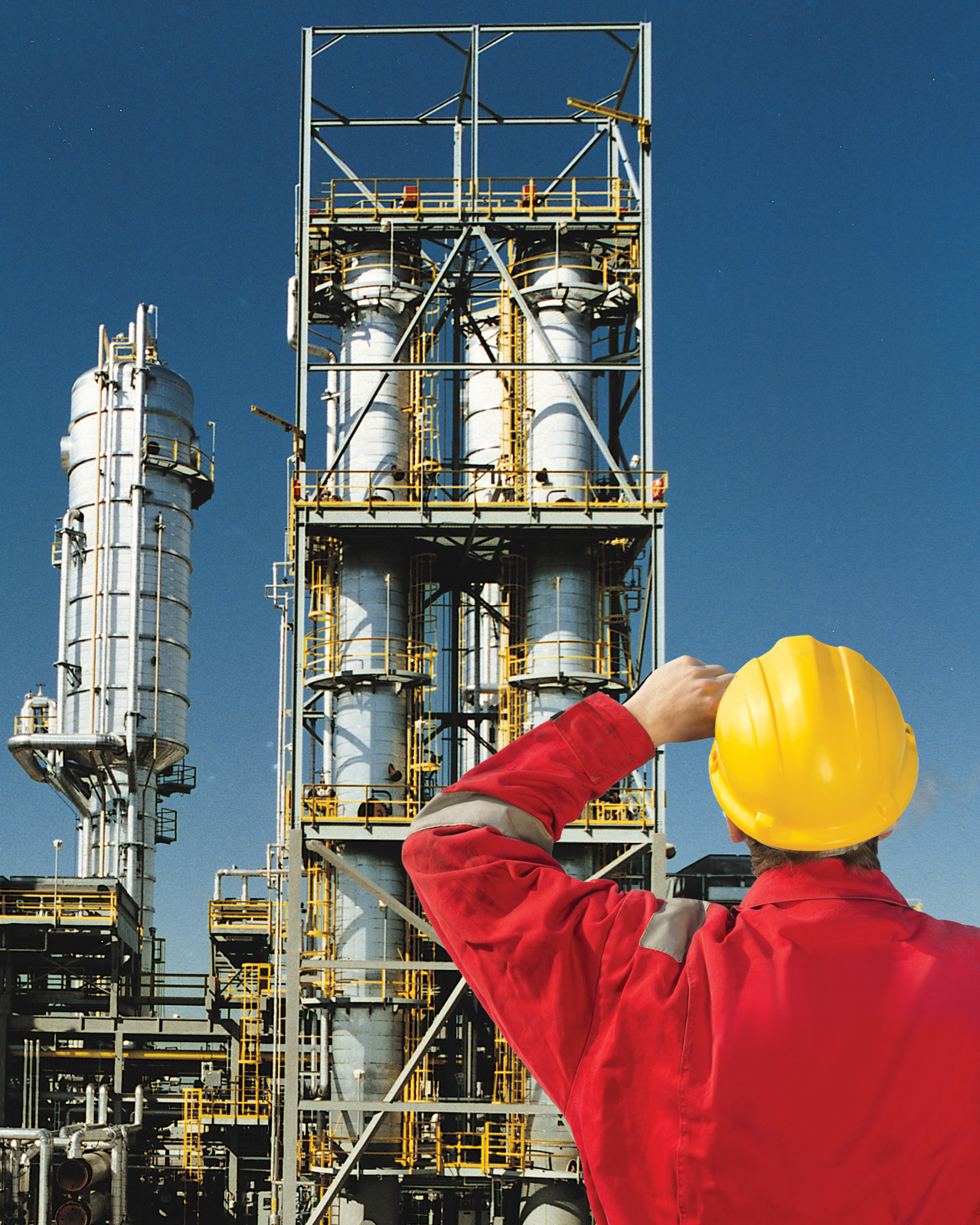
In the 1960s, many of the world’s rivers and lakes were polluted with harsh chemicals including detergents that caused rapid algae growth killing fish and natural plant life. To solve this challenge, Honeywell UOP developed a suite of biodegradable detergent technologies, meeting the growing need for effective and environmentally friendly surfactants and soaps. Today, more than 85 percent of worldwide biodegradable detergent production uses Honeywell UOP’s petrochemical process technologies.
Demand for household detergents continues to grow driving the need for linear alkylbenzene (LAB), the most common raw material in the manufacture of biodegradable household detergents. UOP’s Molex™, Pacol™, Olex™, DeFine™, PEP™ and Detal-Plus™ processes form an integrated LAB complex with recent enhancements focusing on energy efficiency and capital cost reduction.
The services for all the process technologies listed above, including PacolTM and MolexTM, include:
- Research & development
- Evaluation services
- Market and economic studies
- Consulting services
- Design services
- Engineering services
- Technical service”
Log in to learn more and access downloads.
Additional authenticated information upon request.
Learn more about our Detergent Solutions:
n-Paraffins
The demand for linear normal paraffins for use as the principal feedstock in LAB manufacture continues to increase worldwide in step with the increasing use of biodegradable detergents. The UOP Molex™ process is the technology leader and provides the most economical route to produce normal paraffins from kerosene, enabling the user to produce a by-product return stream of Jet A-1 quality when the feed kerosene is of similar quality.
LAB
Next generation processes have made LAB production extremely profitable and Linear Alkylbenzene Sulfonate (LAS) the most widely used surfactant in biodegradable household detergents. LAB is produced via the alkylation of benzene with normal olefins derived from a variety of sources such as kerosene (normal paraffins) or ethylene. UOP LAB complexes include the UOP/CEPSA Detal, UOP Pacol, UOP DeFine and UOP PEP processes. With each process step in LAB complexes, UOP technology maximizes yields and lowers your operating costs.
n-Olefins
Detergent range n-olefins are the primary raw materials used to produce detergent alcohols (C12–C16). As a variation to the processes that produces normal paraffins and LAB, the UOP Molex, UOP Pacol, and UOP DeFine processes can be combined with the UOP Olex™ process to produce high purity linear internal n-Olefins. The UOP Olex process is a nearly attention-free process technology with low operating costs, making it one of the most attractive n-Olefin separation process commercially available.
Higher Olefins
Propylene and butylene, from traditional light olefin sources, can be easily polymerized into higher molecular weight olefins for various petrochemical applications. The UOP Catalytic Condensation process uses a solid acid catalyst to polymerize propylene to produce nonene and propylene tetramer.

Why is Linear Alkylbenzene important?
